The first time you visit Ho Chi Minh City, planning your days isn’t particularly difficult. There are landmarks to see, Vietnamese dishes to try, cafés to discover and enough recommendations online to fill several weeks. You might spend a morning around the Central Post Office and Notre-Dame Cathedral, wander through Ben Thanh Market. Or then head to Nguyen Hue Walking Street in the evening. Throw in a bowl of pho and a few cups of Vietnamese coffee, and you’ve covered quite a few first-timer essentials.
Coming back is a different story. You’ve already seen the places everyone recommends, or at least enough of them to know what you liked and what you could happily skip next time. You could look for another list of attractions, but there’s a good chance you’ll end up repeating the same kind of trip with a slightly different itinerary.
Perhaps this time, you could try something less structured.
Think of your trip as a collection of side quests rather than a list of destinations to complete. The term comes from video games, where optional missions take you away from the main storyline. They might lead to an unexpected discovery or introduce you to something you would have missed otherwise. Applied to travel, a side quest could be as simple as exploring an unfamiliar neighborhood, ordering a dish you can’t remember trying before, or following an interesting street without knowing exactly where it leads.
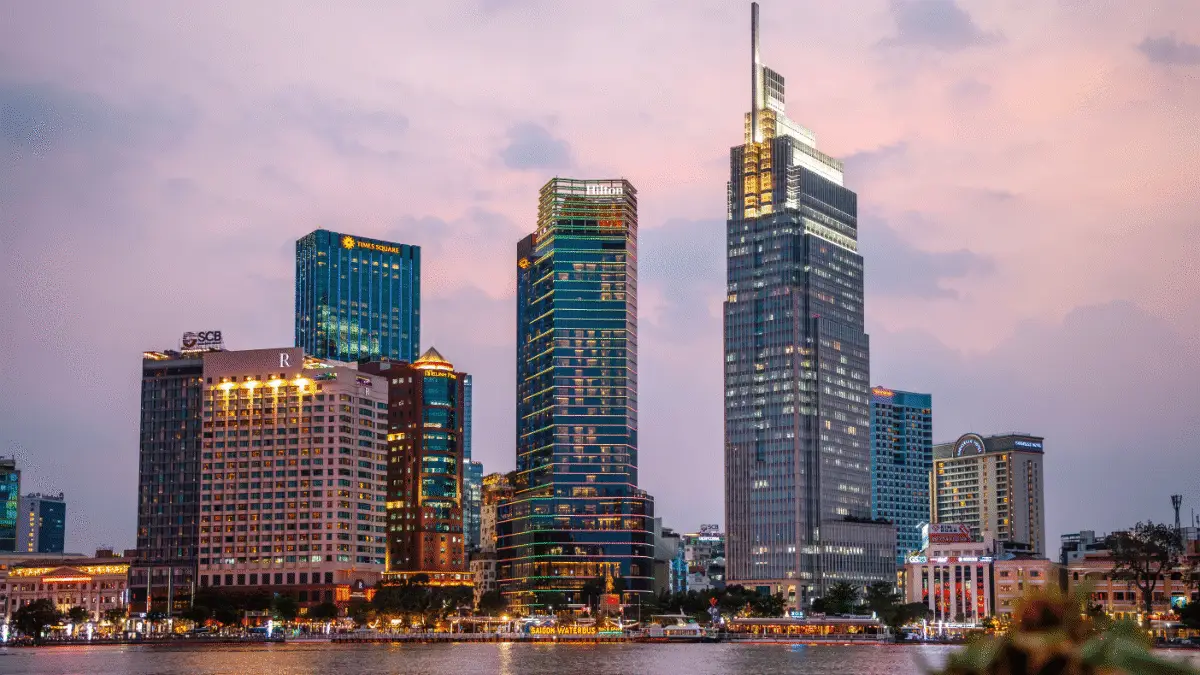
Ho Chi Minh City is particularly suited to this kind of exploring. Its character isn’t limited to famous landmarks or carefully curated attractions; it’s also found in neighborhood markets, small food stalls, old apartment buildings and the everyday routines happening along its streets. Here are a few ways to make your next visit a little less predictable.
1. Explore a Neighborhood You Wouldn't Normally Visit
If your previous trip revolved around District 1, try spending a few hours somewhere else. Not necessarily because the other neighborhoods have better attractions, but because you’ll encounter a different side of the city when you’re no longer moving between its most familiar landmarks.

Bình Thạnh, for example, offers a mix of residential streets, traditional markets, local eateries and newer cafés. Phú Nhuận is another option if you’re interested in exploring an everyday part of the city rather than a dedicated tourist district. Meanwhile, the older streets of District 3 are worth exploring for their mix of local businesses, cafés and architecture.
Tips from locals:
You don’t need to choose a dozen places beforehand. Pick one neighborhood, find a convenient starting point and walk around for a while. If you come across a food stall that looks interesting or a small shop you’ve never noticed before, give yourself time to stop. You can always look up the next destination later.
This works best when you leave some room for uncertainty. A neighborhood doesn’t have to contain a famous attraction to be worth visiting, and you won’t necessarily find something remarkable on every street. Sometimes, the appeal is simply seeing how people shop, eat and spend their afternoons in a part of the city you haven’t experienced before.
Your quest:
Spend an hour exploring a neighborhood that wasn’t on your previous itinerary, with no more than one planned destination.
2. Let Your Next Meal Be a Surprise
Vietnamese food is probably already on your list, but there’s a difference between trying the dishes recommended to every visitor and discovering what you personally enjoy.
If pho, banh mi and cơm tấm were the highlights of your first trip, use this visit to explore something else. Hủ tiếu, a noodle dish popular in southern Vietnam, is a good place to start. Bánh cuốn offers a lighter option with steamed rice rolls and savory fillings, while bò kho is a rich beef stew often served with bread or noodles. You could also look for phá lấu, a slow-cooked offal dish commonly sold as street food, if you’re feeling adventurous.
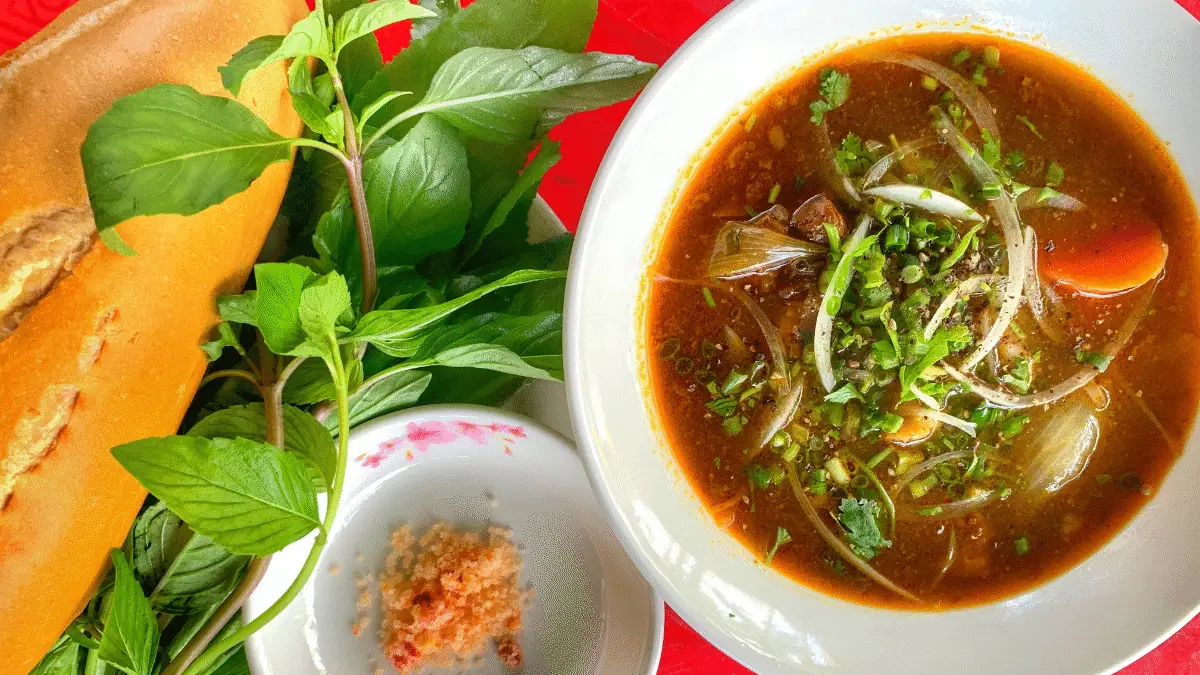

Order outside your comfort zone:
Your choice doesn’t have to be particularly unusual. Even ordering a different version of a familiar dish can introduce you to regional variations, new ingredients or a preparation method you haven’t encountered before.
One way to approach this is to explore food around the neighborhood you’re already visiting instead of crossing the city for a restaurant you’ve seen recommended repeatedly. If you find yourself around Chợ Lớn, for instance, you can look for Chinese-Vietnamese dishes that reflect the area’s long-established communities and food traditions.
When you aren’t sure what to order, ask the staff what they would recommend to someone trying the place for the first time. Keep in mind that not everyone will speak English, so a translated menu or a photo can make the conversation easier.
Side quest:
Try one dish you didn’t eat on your first visit, preferably somewhere you discover while exploring rather than somewhere you’ve been planning to visit for weeks.
3. Find a Café Without Looking Up Its Reviews
Ho Chi Minh City has enough cafés to keep you occupied for an entire trip, from speciality coffee shops to old-school establishments where the furniture and brewing methods seem to have remained unchanged for decades. Some occupy converted apartment buildings, while others are little more than a few tables tucked into a residential alley.
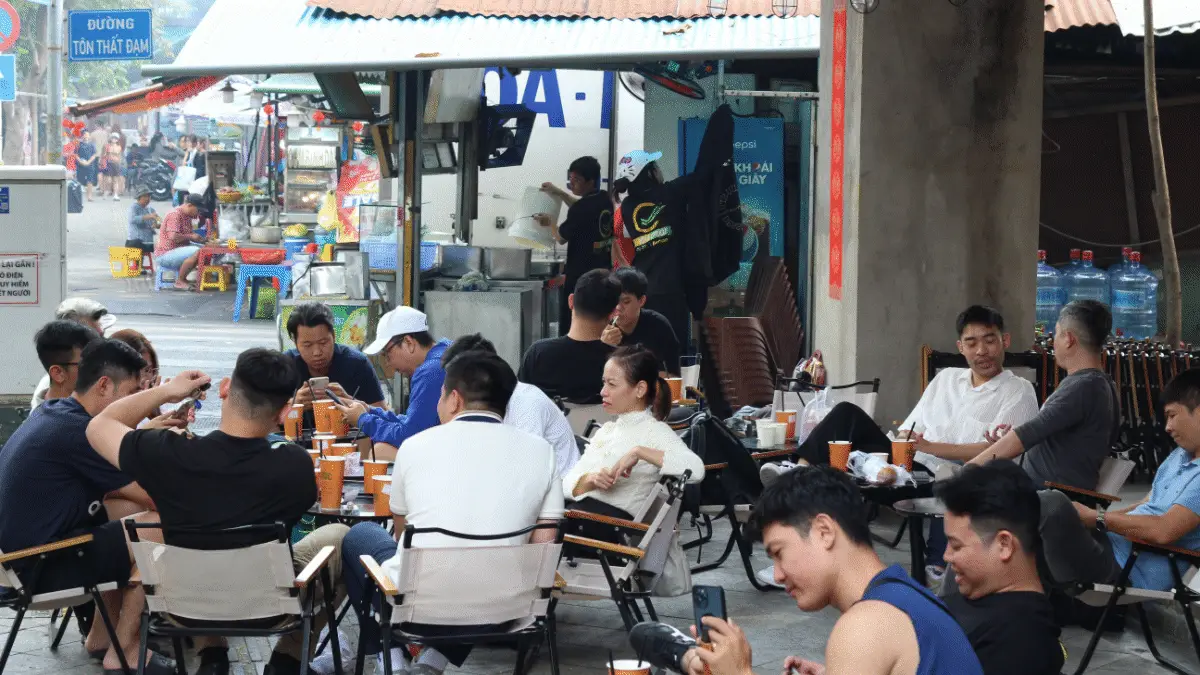
It’s tempting to research every stop beforehand, especially when social media is full of cafés with distinctive interiors and elaborate drinks. There’s nothing wrong with visiting those places, but you could also leave one coffee break entirely unplanned.
Sip like a local:
While walking around, look for somewhere that appeals to you. Perhaps there’s a small shop with a few customers chatting over iced coffee, or a place where someone is slowly brewing coffee through a traditional phin filter. If the menu is unfamiliar, ask what’s popular and choose something that sounds good.
Vietnamese coffee offers plenty to explore beyond the familiar cà phê sữa đá. You could try bạc xỉu, which generally contains more milk than coffee, or cà phê sữa nóng if you prefer a hot drink. Specialty cafés may also offer beans from different Vietnamese growing regions, giving you a chance to compare flavors.
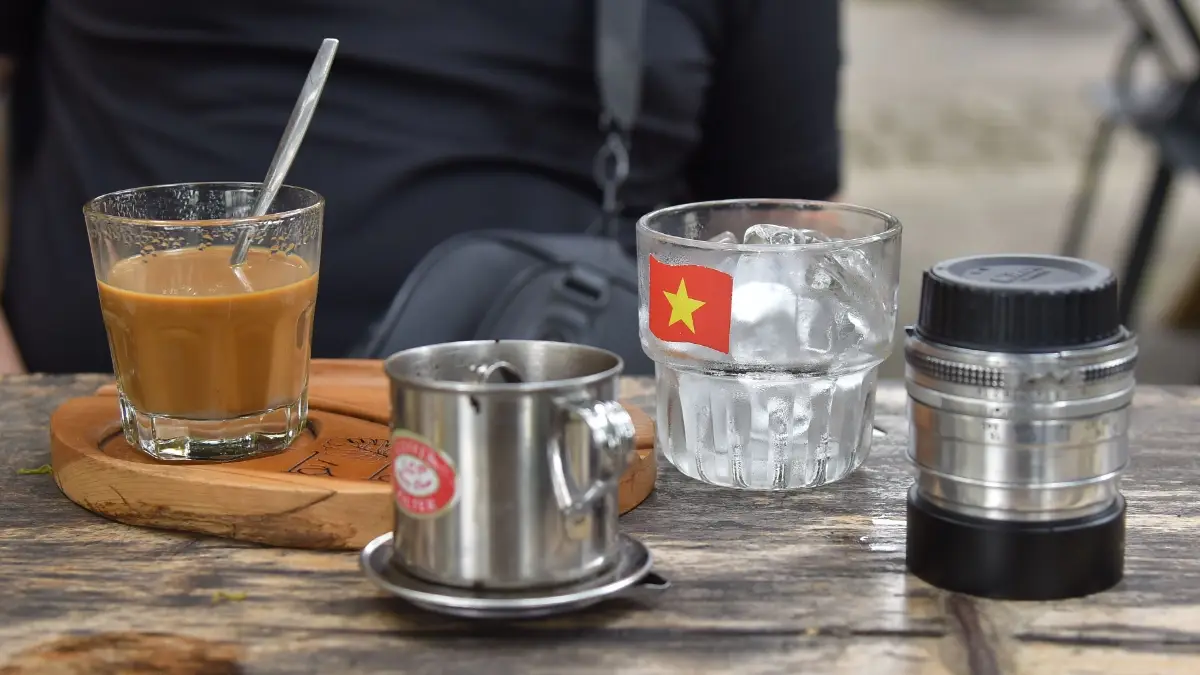
The best part of this side quest is that it doesn’t require you to find the city’s most extraordinary café. You might stumble across a place you love, or you might simply enjoy a decent cup of coffee before continuing your walk. Either outcome makes for a perfectly reasonable afternoon.
Your side quest:
Choose one café based on what you see while walking around, rather than its rating or popularity online.
4. Visit a Local Market and See What People Actually Buy
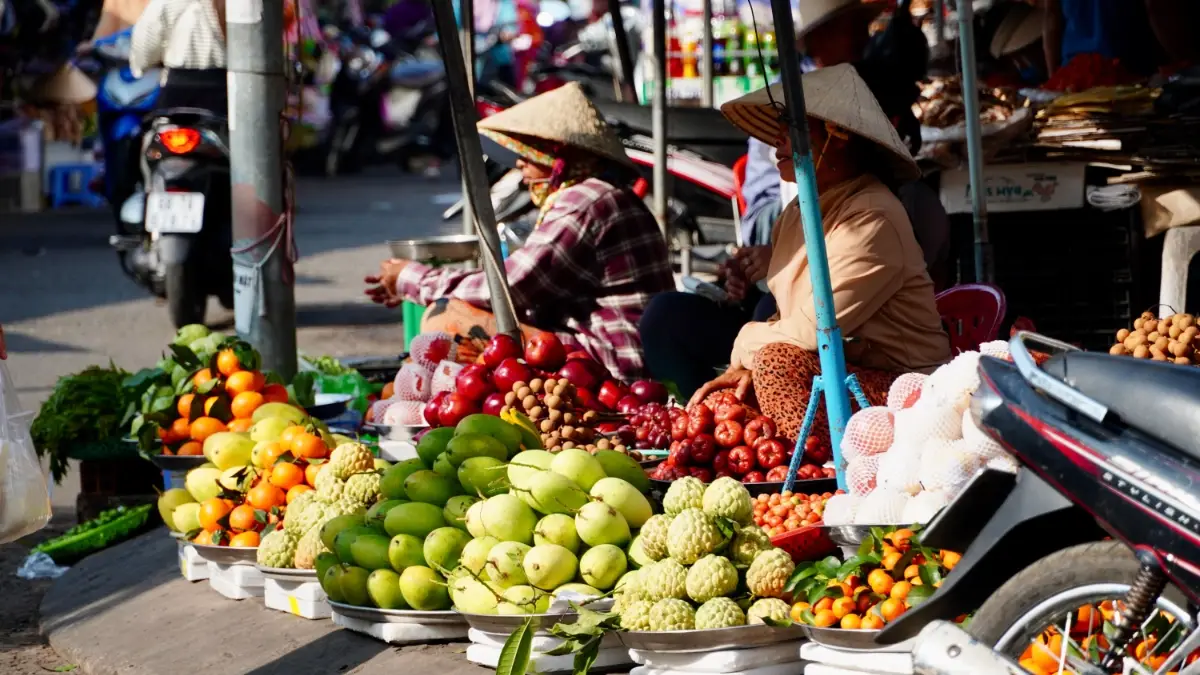
Markets are useful places to explore when you want to understand a neighborhood beyond its attractions. They’re where people buy groceries, pick up breakfast, shop for household supplies and carry out the small errands that make up an ordinary day.
In Ho Chi Minh City, you could visit Bà Chiểu Market in Bình Thạnh, Tân Định Market near central District 1, or Bình Tây Market in Chợ Lớn. Each has its own setting and mix of businesses, so the experience depends partly on what you’re interested in seeing.
Bình Tây Market is particularly interesting if you’re exploring Chợ Lớn, while smaller neighborhood markets can offer a more everyday shopping environment. Going earlier in the day is often useful if you want to see food vendors and shoppers during the morning rush, although opening hours and activity vary between markets.
Insider Tips:
At a market, try paying attention to the details rather than rushing from one end to the other. Look at the produce and ingredients being sold, see what the food stalls are serving, and notice the kinds of products that rarely appear in tourist-oriented shops. If something catches your attention, stop for a closer look or buy a snack.
It’s worth remembering that these are working places, not open-air museums. Keep walkways clear, ask before photographing people and be patient when vendors are busy serving customers.
You don’t need to leave with a shopping bag full of souvenirs. A short visit, a good breakfast and a better sense of how the neighborhood operates are enough.
Mini mission:
Visit a market you’ve never explored, try something from a food stall and find one product you didn’t expect to see.
5. Return to a Familiar Place at a Different Time
A place you’ve already visited can feel surprisingly different when you return at another time of day. The streets around a busy office district, for example, have a different atmosphere before the working day begins than they do during the evening rush. Food stalls open, cafés fill with customers, and traffic changes the way people move through the same streets.
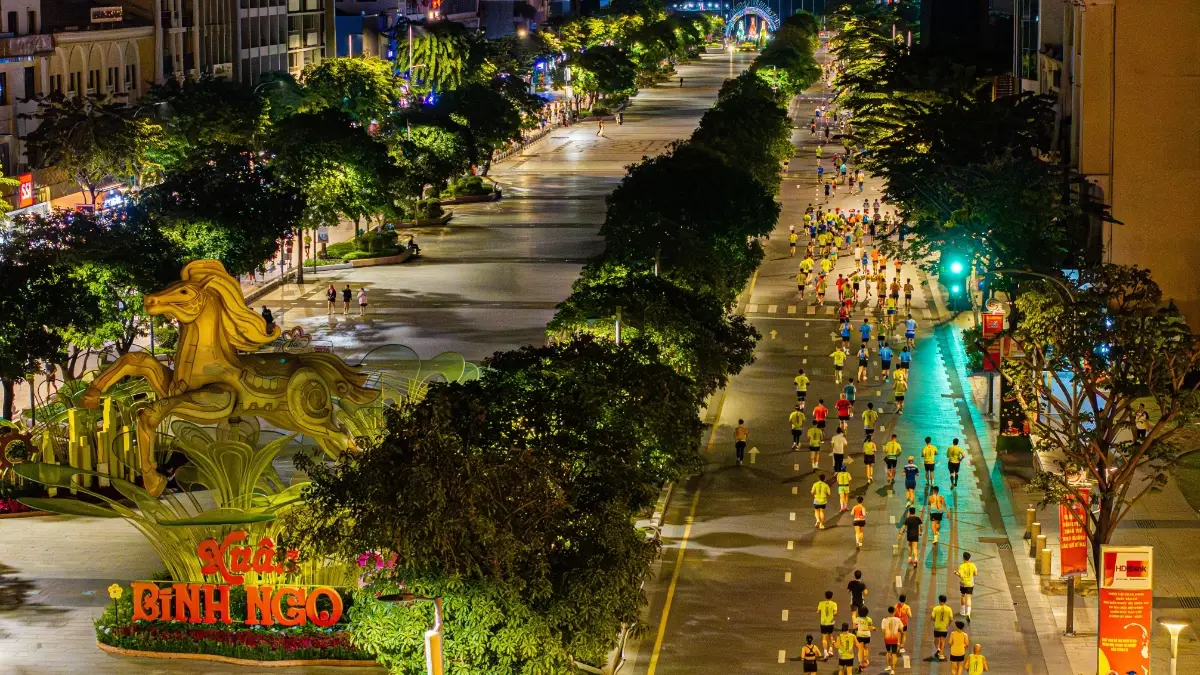
You could return to Nguyen Hue Walking Street in the evening if you originally passed through during the day, or explore the streets around Tân Định early in the morning before the city becomes busier. If you enjoyed a particular café, visit at a quieter hour and see whether the experience changes.
Familiar spots, fresh eyes:
Instead of looking for another destination, choose somewhere you enjoyed on your first trip and revisit it under different circumstances.
This is one of the easiest ways to make a return trip feel different without spending more money or adding extra travel time. You already know how to get there, so you can focus on what you might have missed the first time.
Quick quest:
Pick a familiar place and return at a time when you haven’t experienced it before.
6. Take the Long Way to Your Next Destination
When moving around Ho Chi Minh City, convenience usually wins. Ride-hailing services are easy to use, and when the weather is hot or the traffic is heavy, getting directly to your destination makes perfect sense.
But if you have a free afternoon, consider making one journey a little less direct. You could walk between two nearby places instead of booking a ride, take a suitable public bus route, or explore the streets around your destination before heading inside.
Embrace the journey:
The bus network can be useful for getting around parts of the city, although routes and travel times vary. Check the route in advance and make sure you know where to get off, particularly if you’re unfamiliar with the area. The idea is to see more of the city along the way, not to spend half your day trying to work out where you are.
Walking can be even simpler. If you’re visiting a café or market, see whether there’s another place nearby that you can reach on foot. You might pass small shops, local eateries or residential streets that would otherwise remain outside your experience of the city.
Of course, not every street is pleasant to walk along, and crossing busy roads requires attention. Choose routes that feel safe and practical rather than treating getting lost as an achievement in itself.
Your side quest:
On one journey, choose a slower but practical way to get around and give yourself time to notice what’s between the starting point and the destination.
7. Spend an Afternoon in Chợ Lớn
If your first trip focused mainly on central Ho Chi Minh City, Chợ Lớn is worth setting aside some time for. The historic Chinatown area has been shaped by generations of Chinese-Vietnamese communities, and its markets, temples, traditional businesses and food shops offer a different perspective on the city’s history and daily life.
Rather than trying to see every attraction, treat the afternoon as an opportunity to explore one area at a comfortable pace.
The starting point:
Bình Tây Market is a useful starting point if you’re interested in the area’s trading history and market culture. From there, explore the surrounding streets, where traditional shopfronts and food businesses sit alongside more contemporary establishments. You could also visit a temple or assembly hall, taking care to respect local customs and any rules about photography.
Taste the heritage:
Food is another good reason to spend time here. Chợ Lớn has a distinctive Chinese-Vietnamese culinary culture, and you may encounter noodle dishes, dumplings, herbal drinks and other specialties that aren’t as prominent in the usual first-time visitor itinerary.
Capture the details:
If you enjoy photography, look beyond the obvious landmarks. Shop signs, architectural details, market scenes and the way old buildings are used today can be just as interesting as the buildings themselves.
The neighborhood is spread across a substantial area, so it’s sensible to choose a few nearby places rather than attempting to cover everything on foot in one afternoon. Check opening hours before visiting specific temples or businesses, and leave some flexibility for food stops along the way.
Your side quest:
Spend two or three hours exploring Chợ Lớn, combining one planned stop with time to discover the surrounding streets.
8. Make Something Instead of Just Looking at Things
Travel often involves moving from one place to another to see something new. On your next visit, try adding an activity that lets you participate rather than simply observe. The point isn’t to acquire a new skill in an afternoon. It’s to make room for an experience you wouldn’t normally have at home.
Ho Chi Minh City has creative workshops, cooking classes and other hands-on activities available through local studios and experience providers. Depending on your interests and travel dates, you might find a pottery session, a painting workshop or a class introducing you to Vietnamese cooking.

Make, learn and explore:
These activities offer a different way to spend a few hours, particularly if you’ve already visited the city’s major attractions. A cooking class can help you understand the ingredients and techniques behind dishes you’ve been eating, while a pottery or art workshop gives you the opportunity to try something unfamiliar in a guided setting.
You could also visit an independent art space, browse a design store or spend time in a bookstore if you’d prefer a less structured experience. Not every creative outing needs a booking or a finished product.
Before choosing a workshop, check the location, duration, language of instruction and whether you need to reserve a place. Some activities run only on particular days, so it’s worth arranging them in advance rather than assuming you can turn up whenever you like.
Your side quest:
Find one hands-on activity that interests you and fit it into a day that would otherwise be spent sightseeing.
9. See the City After the Rain
Rain is part of everyday life in Ho Chi Minh City, particularly during the wet season, when a sunny afternoon can turn into a sudden downpour. If you’ve visited before, there’s a good chance you’ve experienced the familiar routine of checking the sky, ducking into a café or waiting for the rain to ease before continuing your day.
Next time, instead of treating the rain as an interruption, use it as an excuse to slow down. Find somewhere sheltered to wait it out, order a coffee or a snack, and watch the streets change as the rain falls. Once the weather clears and it’s safe to walk, explore the surrounding area again. The pavements may be wet, traffic may have slowed, and food vendors might be getting ready for the evening rush.
Rainy day perspectives:
You don’t need to go looking for dramatic puddle reflections or the perfect photograph. Simply experiencing a familiar neighborhood in different weather can make it feel less familiar, especially if you’ve only visited during dry, sunny hours.
Just check local conditions before heading out, and avoid flooded streets or areas with strong runoff.
Quick quest:
Spend a rainy afternoon somewhere local, then take a short walk after the shower if conditions allow. See what you notice that you might have missed on a typical sunny day.
10. Ask Someone Who Lives in the Neighborhood
Online travel guides can help you find reliable places to eat and visit, but they don’t always tell you where people go when they’re not trying to recommend a destination to tourists.
If you have a natural opportunity to ask someone who lives in the city, try a simple question: “Is there somewhere around here you really like?”
Finding the neighborhood favorites:
You could ask the person running a café about another place to eat nearby, or ask a local friend where they’d spend a free afternoon. If you’re staying in a guesthouse or hotel, staff may also have suggestions for the surrounding neighborhood.
The answer might be a modest food stall, a nearby market, a park or a café that doesn’t appear on the usual travel lists. It could also be somewhere you’ve already heard about. Either way, the recommendation comes with a little local context that a search result may not provide.
The art of asking:
Be considerate about when and how you ask. Someone serving a queue of customers probably isn’t available for a long conversation, and not everyone will be comfortable speaking English. A brief question at an appropriate moment is usually enough.
You also don’t have to follow every recommendation blindly. Check the location and practical details before setting off, especially if the place is far away or you’re unfamiliar with the area.
Your side quest:
Ask for one nearby recommendation and visit it if it fits your interests and schedule.
The 30-Minute Side Quest: Explore Without an Itinerary
Pick a neighborhood you don’t know well and spend 30 minutes walking around without a fixed route. Follow a queue at a food stall, browse a shop that catches your attention, or take a turn down a street you wouldn’t normally visit. When the time is up, stop for a drink or a snack, take a photo of something you might otherwise have overlooked, and decide where to go next. Try a different starting point each time to keep things interesting. There’s no need to come back with a list of discoveries; the idea is to see where an unplanned walk takes you.
One Day in Ho Chi Minh City: A No-Checklist Itinerary
If you only have one day, build your plans around one neighborhood or a couple of nearby areas. You’ll spend less time crossing the city and have more room to explore along the way.
- Morning: Find breakfast in a neighborhood you haven’t explored before. Try a dish you haven’t ordered on your previous visit, then take a walk through the surrounding streets.
- Late morning: Look for a local coffee shop while you’re out walking. Settle in for a break instead of rushing off to your next stop.
- Afternoon: Explore a nearby market, browse a few local shops, or visit a cultural site. If you’re interested in heritage, Chợ Lớn is worth setting aside an afternoon for; if you’d rather see another side of everyday city life, consider exploring Bình Thạnh.
- Evening: Revisit a street or neighborhood you enjoyed on your first trip. Find somewhere for dinner, sit outside if the weather allows, and watch the city wind down into the evening.
Resist the urge to squeeze in one last attraction just because you have time. A slower day can leave you with a better sense of a neighborhood than a packed itinerary.
You Don't Have to Find a "Hidden Gem"
Travel guides and social media are full of hidden gems, secret cafés and places supposedly known only to locals. Some are worth visiting, but you don’t have to uncover somewhere obscure to make a return trip interesting.
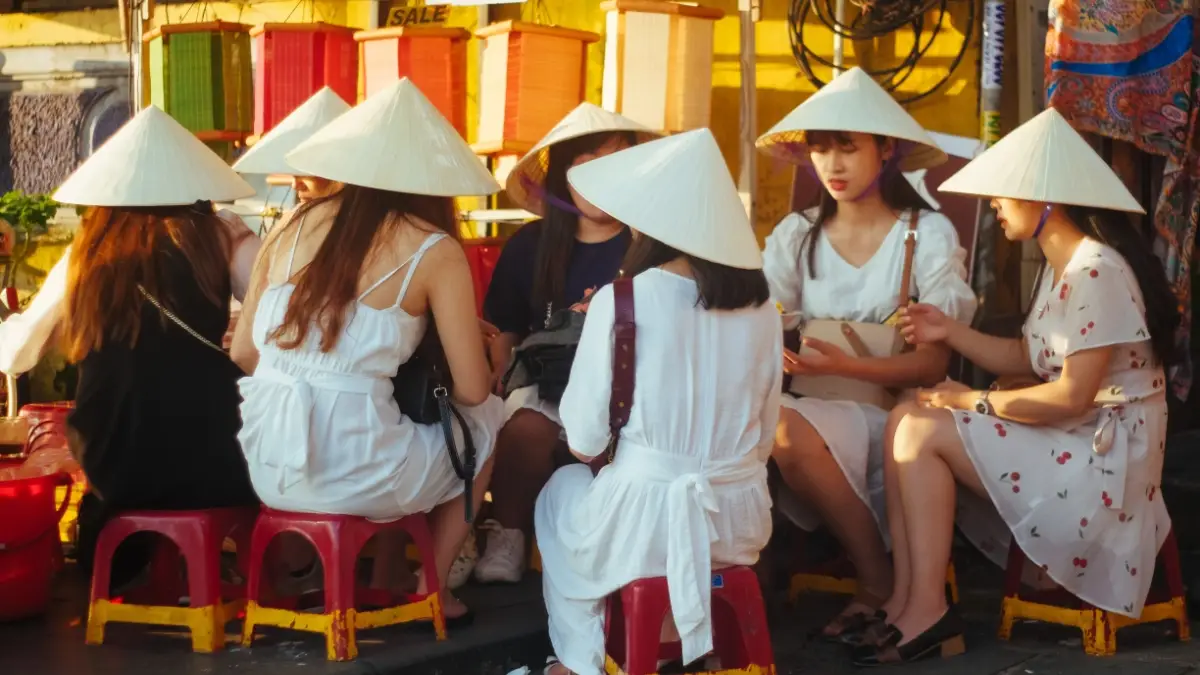
A place can be new to you without being unknown to everyone else. A neighborhood market, a small street-side café or a familiar dish you’ve never tried can all be worthwhile additions to your trip.
That’s the appeal of side quests: they give you a reason to explore without turning every stop into another must-see destination. You don’t need an extraordinary discovery or the perfect photo to justify spending an afternoon somewhere. Sometimes, knowing the city a little better simply gives you more freedom to explore it on your own terms.
Make Your Next Visit Your Own
You don’t need to complete all ten side quests, and there’s no reason to turn them into another checklist. Pick the ones that sound interesting, leave a little room in your schedule, and see what happens along the way. You already know some of Ho Chi Minh City’s familiar spots. This time, give yourself a chance to discover a few places and experiences that weren’t part of your first trip.
*Source: Pexels